
"filter basket care"
200 article(s) found

Differences, distinctions and prizes of single beans at Chateau Kimmel, Papua New Guinea
For professional baristas, please pay attention to the coffee workshop (Wechat official account cafe_style). The difference, differentiation and award-winning situation of individual beans at Chimere Manor in Papua New Guinea is low, with about 85% of the total coffee produced by small farmers' garden cultivation systems. Small farmers join local cooperatives and share their processing equipment. Coffee is the second largest in Pakistan.
Boutique coffee beans roast coffee beans by yourself
Some coffee lovers like to buy raw coffee beans and bake them by themselves. Self-baking is not only easy, but also effective, so anyone who is interested can try it. Not only can you bake as much as you need, but the most interesting thing is that each time you bake, you are facing the coffee beans, and observe the coffee beans in the roaster closely through the smell, color, dandruff, smoke and sonic explosion.

Grading, price, raw bean and baking curve of single bean at Kimmel Manor, Papua New Guinea
For the exchange of professional baristas, please follow the coffee workshop (Wechat official account cafe_style) Chimere Manor in Papua New Guinea single bean classification, price, raw beans and baking curve Chimare Manor was founded in 1974 by Australian businessman Bobby Bobby Gibbs, named after the adjacent river (Kimel River). At present, there are 432 people mainly from

Flavor characteristics, producing areas and cooking parameters of single bean in Chilmel Manor, Papua New Guinea
For the exchange of professional baristas, please pay attention to the coffee workshop (Wechat official account cafe_style) Chimere Manor in Papua New Guinea single bean flavor characteristics, production areas and brewing parameters Chimare Manor is located in the western plateau of Papua New Guinea Wiki Valley near the kimel Valley, has its own washing plant, but in fact this is a lot of independent coffee by the surrounding Opais ethnic groups.

Who drinks Sidamo coffee beans? Differences in Flavor and Taste between Ethiopian Huaqui and Arsi Coffee
Professional coffee knowledge exchange More coffee bean information Please pay attention to coffee workshop (Weixin Official Accounts cafe_style) Ethiopian coffee accounts for 5% of the global market and is the fifth largest coffee producer in the world. The familiar Arabica coffee originated here, and Ethiopia also has the most
Rwanda Coffee Plantation Rwanda Coffee Region
Rwandans have been growing coffee since colonial times, but until 1999, the product was classified as below grade C and was not available on the global market. The reason for the poor quality is that farmers do not have a fixed procedure for cleaning coffee beans, and they do not process coffee fruits according to specifications in time. Buyers pay $0.33 a kilo for coffee beans, farmers keep warm on the meager margins they earn at low prices

How to taste good coffee-how to taste and describe the bitterness and sour of coffee
Professional coffee knowledge exchange more coffee bean information Please follow the coffee workshop (Wechat official account cafe_style) to consciously taste coffee: the correct use of the SCAA coffee flavor wheel and tips since the introduction of Japanese-style real pot Jiaxi and American Starbucks coffee into the Taiwan market, Taiwan brands (one Coffee, 85C, Jacuzzi Coffee) have also sprung up.
Boutique coffee Rwanda coffee origin Rwanda coffee practice
Rwandans have been growing coffee since colonial times, but until 1999, its products were still classified as below Class C and were not popular in the global market. The reason for the poor quality is that farmers do not have a fixed procedure for washing coffee beans and do not process coffee fruits according to specifications in time. Buyers buy coffee beans at $0.33 per kilogram, and farmers keep warm by the meagre profits earned at low prices.
Boutique Coffee Rwanda Coffee Manor 1756 members small farmers
Rwandans have been growing coffee since colonial times, but until 1999, its products were still classified as below Class C and were not popular in the global market. The reason for the poor quality is that farmers do not have a fixed procedure for washing coffee beans and do not process coffee fruits according to specifications in time. Buyers buy coffee beans at $0.33 per kilogram, and farmers keep warm by the meagre profits earned at low prices.
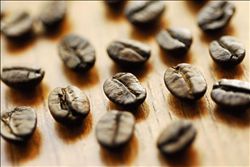
Fine coffee Rwanda Coffee introduces the characteristics of Rwanda Coffee
Rwandans have been growing coffee since colonial times, but until 1999, its products were still classified as below Class C and were not popular in the global market. The reason for the poor quality is that farmers do not have a fixed procedure for washing coffee beans and do not process coffee fruits according to specifications in time. Buyers buy coffee beans at $0.33 per kilogram, and farmers keep warm by the meagre profits earned at low prices.

Boutique coffee Rwanda coffee flavor red apple, cherry, cinnamon, honey
Rwandans have been growing coffee since colonial times, but until 1999, its products were still classified as below Class C and were not popular in the global market. The reason for the poor quality is that farmers do not have a fixed procedure for washing coffee beans and do not process coffee fruits according to specifications in time. Buyers buy coffee beans at $0.33 per kilogram, and farmers keep warm by the meagre profits earned at low prices.
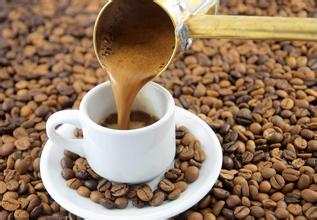
Boutique coffee Rwanda coffee producing area in the western province of Lutexilo
Rwandans have been growing coffee since colonial times, but until 1999, its products were still classified as below Class C and were not popular in the global market. The reason for the poor quality is that farmers do not have a fixed procedure for washing coffee beans and do not process coffee fruits according to specifications in time. Buyers buy coffee beans at $0.33 per kilogram, and farmers keep warm by the meagre profits earned at low prices.
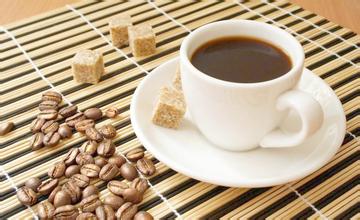
Fine coffee Rwanda coffee processing method Processing method Washing, elevated shelf drying
Rwandans have been growing coffee since colonial times, but until 1999, the product was classified as below grade C and was not available on the global market. The reason for the poor quality is that farmers do not have a fixed procedure for cleaning coffee beans, and they do not process coffee fruits according to specifications in time. Buyers pay $0.33 a kilo for coffee beans, farmers keep warm on the meager margins they earn at low prices

Legends about the origin of coffee there are several coffee cultures
There are several legends about the origin of coffee, among which the more familiar is the story of the shepherd: around 600 AD, a shepherd found that his sheep would hiss excitedly every night. In fear, he asked the priest in the temple for help. After carefully observing the sheep for a few days, the priest found that the sheep had eaten an unknown fruit, and the priest himself had eaten it.

The Legend of Coffee the legend of the origin of coffee
There are several legends about the origin of coffee, among which the more familiar is the story of the shepherd: around 600 AD, a shepherd found that his sheep would hiss excitedly every night. In fear, he asked the priest in the temple for help. After carefully observing the sheep for a few days, the priest found that the sheep had eaten an unknown fruit, and the priest himself had eaten it.

Coffee shop bar design size and bar planning experience to share how to decorate the coffee bar reasonably?
Professional coffee knowledge exchange more coffee bean information please follow the coffee workshop (Wechat official account cafe_style) "Dream Cafe Entrepreneurship Tips" store planning and decoration of online celebrity cafe tips store planning and decoration of the bar is the most difficult place for the whole restaurant, because it needs water and electricity, to make the bar staff operate smoothly, smoothly, but also have to consider the overall beauty! one

High-quality coffee beans from Africa and Rwanda in the world.
Rwanda Coffee Global Coffee producer-since the 1920s in Rwanda, Arabica coffee grown in Rwanda (Rwanda) has been famous for its unique fruit sweetness and strong grass aroma. In recent years, the Rwandan government has taken positive measures to vigorously promote coffee production, set up coffee production cooperatives in various places, and give technical guidance and financial support to farmers.

The characteristics of Rwandan coffee
Since the 1920s, Arabica coffee grown in Rwanda has been famous for its unique fruit sweetness and rich grass aroma. In recent years, the Rwandan government has taken positive measures to vigorously promote coffee production, set up coffee production cooperatives in various places, and give technical guidance and financial support to farmers, so that coffee production has made considerable progress. From Rwanda.
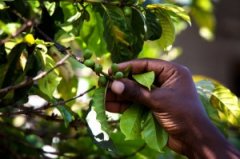
Coffee producing area African Rwanda boutique coffee beans
Global coffee producing area-since the 1920s, Rwanda Arabica coffee grown in Rwanda has been famous for its unique fruit sweetness and rich grass aroma. In recent years, the government of Rwanda has taken positive measures to vigorously promote coffee production, set up coffee production cooperatives in various places, and give technical guidance and financial support to farmers, so that coffee production can be achieved.
High-quality coffee beans from global coffee producing area Rwanda
Rwanda Coffee Global Coffee producer-since the 1920s in Rwanda, Arabica coffee grown in Rwanda (Rwanda) has been famous for its unique fruit sweetness and strong grass aroma. In recent years, the Rwandan government has taken positive measures to vigorously promote coffee production, set up coffee production cooperatives in various places, and give technical guidance and financial support to farmers.